
What if ignoring that squeaky sound every time you hit the brakes could put your safety at risk? For Hemet drivers, understanding the importance of brake pad replacement is crucial. You might already feel a bit uncertain about when to replace your brake pads, and that’s completely normal. In this article, you’ll learn the essentials about brake pad replacement to keep your vehicle safe on the roads of Hemet. We’ll cover the signs of worn brake pads, explore your replacement options, and help you feel confident in choosing a service provider that’s right for you. By the end, you’ll have the knowledge needed to make informed decisions that keep your vehicle-and you-safe.
Key Takeaways
- Understand the critical role brake pads play in your vehicle's safety and performance.
- Learn the step-by-step process of brake pad replacement, whether you choose a professional or DIY approach.
- Get insights into the costs associated with brake pad replacement in Hemet and what factors influence pricing.
- Discover essential tools and tips for successfully completing a DIY brake pad replacement.
- Find reliable local service centers for brake pad replacement to ensure your vehicle stays safe on the road.
What Are Brake Pads and Why Do They Matter?
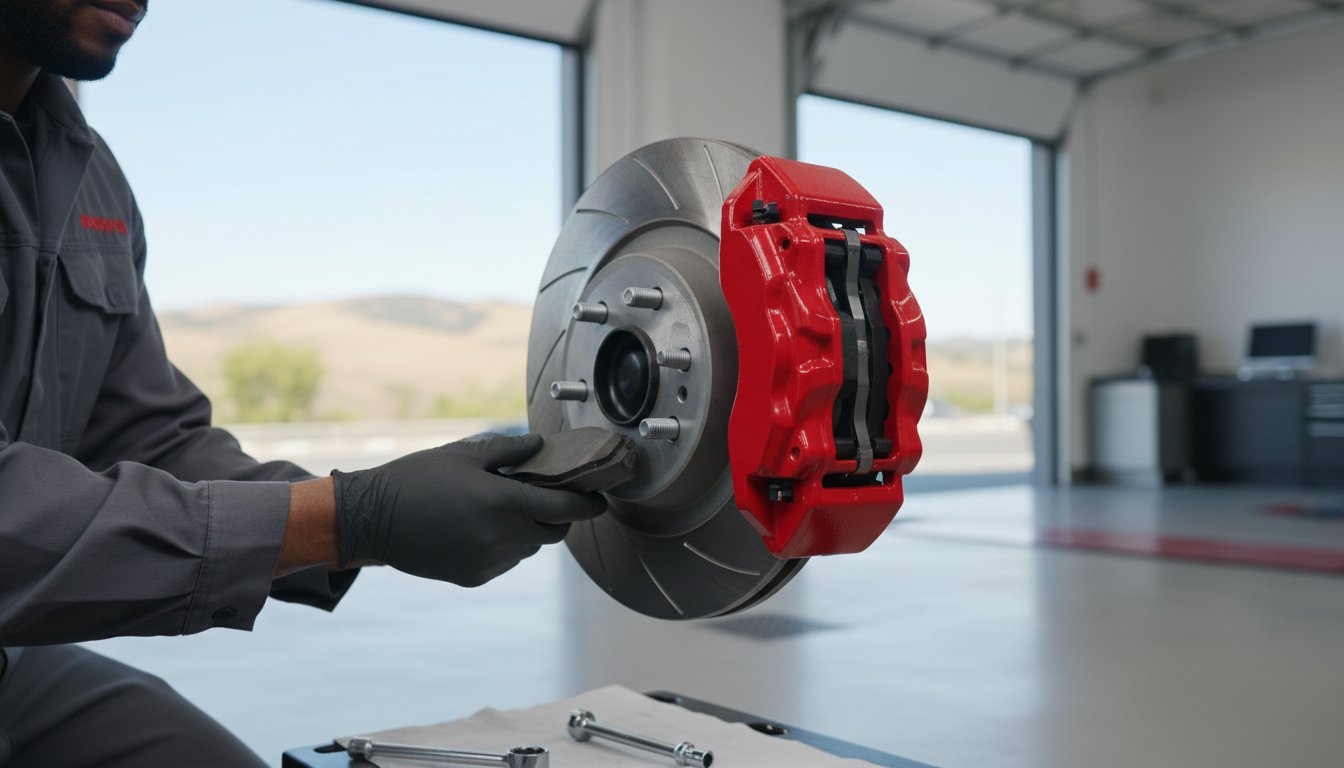
Brake pads are a crucial component of your vehicle's braking system, serving as the interface between the brake caliper and the brake rotor. Their primary role is to create the necessary friction that slows down or stops your vehicle, ensuring your safety on the road. When you press the brake pedal, the calipers squeeze the brake pads against the rotors, generating the friction needed to decelerate the wheels. This process is vital for effective stopping power, making brake pads essential for your vehicle's overall safety.
Regular maintenance of brake pads is critical. Over time, brake pads wear down due to the constant friction they endure. Neglecting this wear can lead to a host of problems, including longer stopping distances, reduced control, and even brake failure in severe cases. The potential risks of ignoring worn brake pads are significant, not only endangering your safety but also leading to more costly repairs if other components of the braking system are damaged as a result.
Brake Pad Types: Which Is Best for Your Vehicle?
Brake pads come in three main types: ceramic, metallic, and organic. Each type has its pros and cons based on driving conditions:
- Ceramic: Known for their durability and quiet operation, ceramic brake pads are great for everyday driving. They produce less dust but can be more expensive.
- Metallic: These pads offer excellent performance and heat dissipation, making them suitable for high-performance vehicles. However, they can wear down rotors faster and may produce more noise.
- Organic: Made from softer materials, organic pads provide a quieter ride and are often more affordable. They wear out more quickly than other types, making them less ideal for heavy use.
For typical Hemet driving conditions, which often include stop-and-go traffic and occasional highway speeds, ceramic brake pads might be the best option, balancing performance, noise level, and longevity.
Signs Your Brake Pads Need Replacement
Several signs indicate that your brake pads may need replacement:
- Squeaking or grinding noises when braking.
- Vibration or pulsation in the brake pedal.
- A warning light on your dashboard.
For Hemet drivers, a visual inspection can also help identify worn brake pads. Look for a thickness of less than a quarter inch or any visible cracks. Addressing these issues early is critical to avoid more severe problems, such as rotor damage or complete brake failure. Regular brake pad replacement not only enhances your safety but also contributes to the longevity of your vehicle's braking system.
The Brake Pad Replacement Process Explained
Understanding when and how to replace your Honda's brake pads is crucial for maintaining safe driving conditions. A brake pad replacement typically involves several steps, each vital for ensuring your vehicle's braking system performs at its best. Let's walk through the process and understand why it's best handled by professionals.
Understanding the Brake System's Components
The brake system in your Honda consists of several key components: brake pads, rotors, calipers, and brake fluid. Each plays a crucial role in stopping your vehicle. The pads press against the rotors to create friction, the calipers hold the pads in place, and the fluid ensures smooth operation. Signs of wear, such as squeaking or reduced responsiveness, often indicate the need for a check-up.
Professional vs. DIY Replacement: Pros and Cons
While some Hemet drivers might consider a DIY approach, professional brake pad replacement offers numerous advantages. Technicians use specialized tools and have the expertise to spot related issues that might go unnoticed. DIY enthusiasts risk improper installation, which can compromise safety. However, if you're comfortable with tools and follow all safety precautions, DIY can be rewarding.
On average, a professional brake pad replacement service takes about 1-2 hours. This timeframe ensures thorough inspection and installation, giving you peace of mind on the road. For those in Hemet, choosing a professional service like Diamond Valley Honda ensures your brake system is in expert hands, providing a hassle-free experience.
Considering the critical role brakes play in your vehicle's safety, it's wise to trust a professional when it's time for a brake pad replacement. For dependable service and a community-centric approach, Diamond Valley Honda is your go-to choice in Hemet.
Cost of Brake Pad Replacement: What to Expect
When it comes to brake pad replacement, understanding the costs involved is crucial for Hemet drivers. On average, you can expect to pay between $150 and $300 per axle for brake pad replacement. However, this price can fluctuate based on several factors, including the type of vehicle you drive, the quality of the brake pads you choose, and labor costs at your local shop.
Factors Influencing Brake Pad Replacement Costs
The make and model of your vehicle significantly impacts pricing. For example, luxury brands or high-performance vehicles may require specialized pads, which can increase costs. Additionally, the material of the brake pads plays a crucial role:
- Ceramic pads: Generally quieter and produce less dust, but can be pricier.
- Metallic pads: Offer better performance but may wear down quicker.
- Organic pads: Usually the most affordable, but they may not last as long.
Labor rates in Hemet can vary as well. Typically, you’ll find rates between $80 and $150 per hour. Some shops may offer flat fees for brake services, which can provide clarity on what to expect.
Saving on Brake Pad Replacement Without Compromising Safety
Finding cost-effective brake pad replacement services doesn’t have to compromise your safety. Here are some tips to save:
- Look for local discounts or promotions. Many shops in Hemet offer seasonal specials.
- Invest in high-quality pads. While they may be more expensive upfront, they often last longer, saving you money in the long run.
- Regular maintenance is key. Keeping your brakes in good condition can prevent costly repairs down the line.
Being proactive about your brake pad replacement can lead to significant savings while ensuring your vehicle remains safe on the road. Remember, maintaining your brakes is not just about saving money; it’s also about ensuring peace of mind for you and your passengers.
DIY Brake Pad Replacement: A Step-by-Step Guide
Replacing your brake pads can be a rewarding DIY project, saving you both time and money. If you're a Hemet driver looking to tackle brake pad replacement yourself, this comprehensive guide will help you through the process safely and efficiently.
Preparation and Tools for DIY Brake Pad Replacement
Before you start, gather the necessary tools and safety gear:
- Essential Tools: You'll need a jack, jack stands, a lug wrench, brake cleaner, a C-clamp, and a torque wrench.
- Safety Gear: Wear gloves, goggles, and knee pads to protect yourself during the process.
- Work Area: Find a flat, well-lit space with enough room to move around your vehicle. Ensure that you have everything within arm's reach to maintain efficiency.
Step-by-Step DIY Replacement Instructions
Follow these steps to replace your brake pads:
- Remove the Wheel: Start by loosening the lug nuts slightly while the car is still on the ground. Then, use the jack to lift the vehicle and secure it with jack stands. Remove the wheel to access the brake assembly.
- Access the Brake Pads: Locate the caliper that holds the brake pads. Use your wrench to remove the bolts securing the caliper, and gently slide it off to expose the brake pads.
- Replace Old Pads: Carefully remove the old brake pads, taking note of their placement. Use a C-clamp to compress the caliper piston back into its housing, allowing space for the new pads. Install the new pads in the same orientation as the old ones.
- Reassemble: Slide the caliper back over the new pads and secure it by tightening the bolts. Reattach the wheel and lower the vehicle back to the ground.
Common Mistakes to Avoid
During your brake pad replacement, steer clear of these pitfalls:
- Forgetting to compress the caliper piston fully, which can lead to difficulties in reassembling.
- Neglecting to check the rotor condition; if they are worn, consider replacing or resurfacing them.
- Over-tightening the bolts, which can strip the threads and cause future issues.
Final Safety Checks
Before hitting the road, conduct these crucial checks:
- Ensure all tools are removed from the work area.
- Double-check that the caliper is securely fastened and the wheel nuts are tightened to the manufacturer's specifications.
- Test the brakes gently in a safe area to ensure everything functions correctly.
Taking on brake pad replacement can be a fulfilling task for any car enthusiast. Just remember, if you encounter any challenges or prefer professional assistance, our team at Diamond Valley Honda is here to help you every step of the way.
Finding Reliable Brake Pad Services in Hemet
When it comes to ensuring your Honda's safety and performance, finding reliable brake pad replacement services in Hemet is crucial. There are several local service centers that specialize in brake pad replacement, but not all are created equal. It's essential to choose a provider that understands the specific needs of Honda vehicles, particularly one that offers certified Honda parts and services.
Why Choose Certified Honda Parts and Service?
Opting for certified Honda parts for your brake pad replacement comes with numerous advantages:
- Quality Assurance: Genuine Honda parts are designed specifically for your vehicle, ensuring the best fit and performance.
- Warranty Benefits: Using certified parts often means you have warranty coverage, providing peace of mind for Hemet drivers.
- Expertise: Certified technicians possess in-depth knowledge about Honda vehicles, allowing for precise service and maintenance.
This combination of quality and expertise is vital for maintaining the integrity and safety of your vehicle.
The Diamond Valley Honda Difference
At Diamond Valley Honda, we pride ourselves on our commitment to customer satisfaction and safety. Our service center is staffed with certified technicians who are dedicated to providing personalized service tailored to your vehicle's needs. Here’s how we stand out:
- Competitive Pricing: We offer transparent pricing on our brake pad replacement services, ensuring you know exactly what to expect.
- Personalized Service: Our team takes the time to understand your concerns and preferences, making your service experience as smooth as possible.
Choosing us for your brake pad replacement means choosing a partner who values your safety and satisfaction above all else. Ready to get started? Schedule your brake pad replacement at Diamond Valley Honda today and experience the quality and reliability that our Hemet community trusts.
Get Ready for a Safe Drive
Understanding the importance of brake pad replacement is crucial for every Hemet driver. Regular maintenance not only ensures your vehicle's safety but also enhances its longevity and performance. Whether you choose to replace your brake pads yourself or seek professional help, knowing what to expect can save you time and money.
When it comes to service, trust the expertise of certified Honda technicians who use genuine Honda parts to get the job done right. Don't hesitate to reach out to your local experts.
Schedule your brake pad replacement today with Diamond Valley Honda! We're here to help you drive with confidence and peace of mind.
Frequently Asked Questions
How often should I replace my brake pads?
You should typically replace your brake pads every 30,000 to 70,000 miles, depending on your driving habits and vehicle type. If you frequently drive in heavy traffic or make short trips, your brake pads may wear out faster. Regular inspections can help you determine the right timing for brake pad replacement to ensure optimal safety and performance.
What are the warning signs of worn brake pads?
Common warning signs of worn brake pads include a squeaking or grinding noise when you apply the brakes, a vibration in the brake pedal, or a longer stopping distance. If you notice any of these symptoms, it’s crucial to have your brake system inspected immediately to prevent potential damage and ensure your safety on the road.
Can I replace brake pads myself, or should I hire a professional?
You can replace brake pads yourself if you have the right tools and mechanical knowledge, but hiring a professional is often a safer choice. A trained technician can ensure that the job is done correctly and efficiently, reducing the risk of improper installation that could lead to further issues or safety hazards.
How much does brake pad replacement typically cost?
Brake pad replacement costs can vary widely based on your vehicle and location, but on average, it ranges from $150 to $300 per axle. To get the best value, check for local promotions or bundle deals at service centers in Hemet, which can help you save on essential maintenance.
What type of brake pads are best for my Honda?
For your Honda, genuine Honda brake pads are recommended as they are specifically designed for your vehicle’s braking system. You can also consider high-quality aftermarket options that meet or exceed OEM standards, such as ceramic or semi-metallic pads, depending on your driving style and needs.
Are there any local deals for brake pad replacement in Hemet?
Yes, many local dealerships and auto shops in Hemet offer special deals on brake pad replacement, especially during seasonal promotions. Check Diamond Valley Honda’s website or contact their service department to learn about current offers that can help you save on your next brake service.